10/29 Stick Figure Circle of Death
Thinking about this week, I’m strongly reminded of a year ago:
Like then, it was near Halloween, and I needed to do a review of the AMC format. This time around my goal was also to get the kids to look at a sample of questions to get a sense of the range of difficulty in the problems. It was also a fairly smooth exercise with the kids doing a lot of work but definitely more of a workhorse session that an experimental one.
This week we led off with the kids discussing their solutions to the Halloween themed POTW:
Wanda the witch agrees to trade her magic broomstick with Casper the ghost for his gold chain. Casper, however is skeptical that the broom might not be magical at all, so he proposes a payment plan.
His chain has 63 links in it (arranged in linear order, not closed up in a circle), and he wants to pay Wanda just one link per day. Wanda agrees to this but insists that Casper may cut no more than 3 links in the chain.
What does Casper do?
Out of curiosity in the middle I asked the room if everyone even recognized Casper the Ghost. Fortunately, this did not go over their heads and the cultural reference is still familiar. That out the way, I had several kids first mention things they noticed and then eventually we moved to a demo of a solution by one of the girls. Once again I had the room come up with clarifying questions which turned out to be useful since it allowed some students to express that they hadn’t followed the presented solution and it allowed us to dig in deeper.
I then decided to pair this with another gory Halloween style problem:
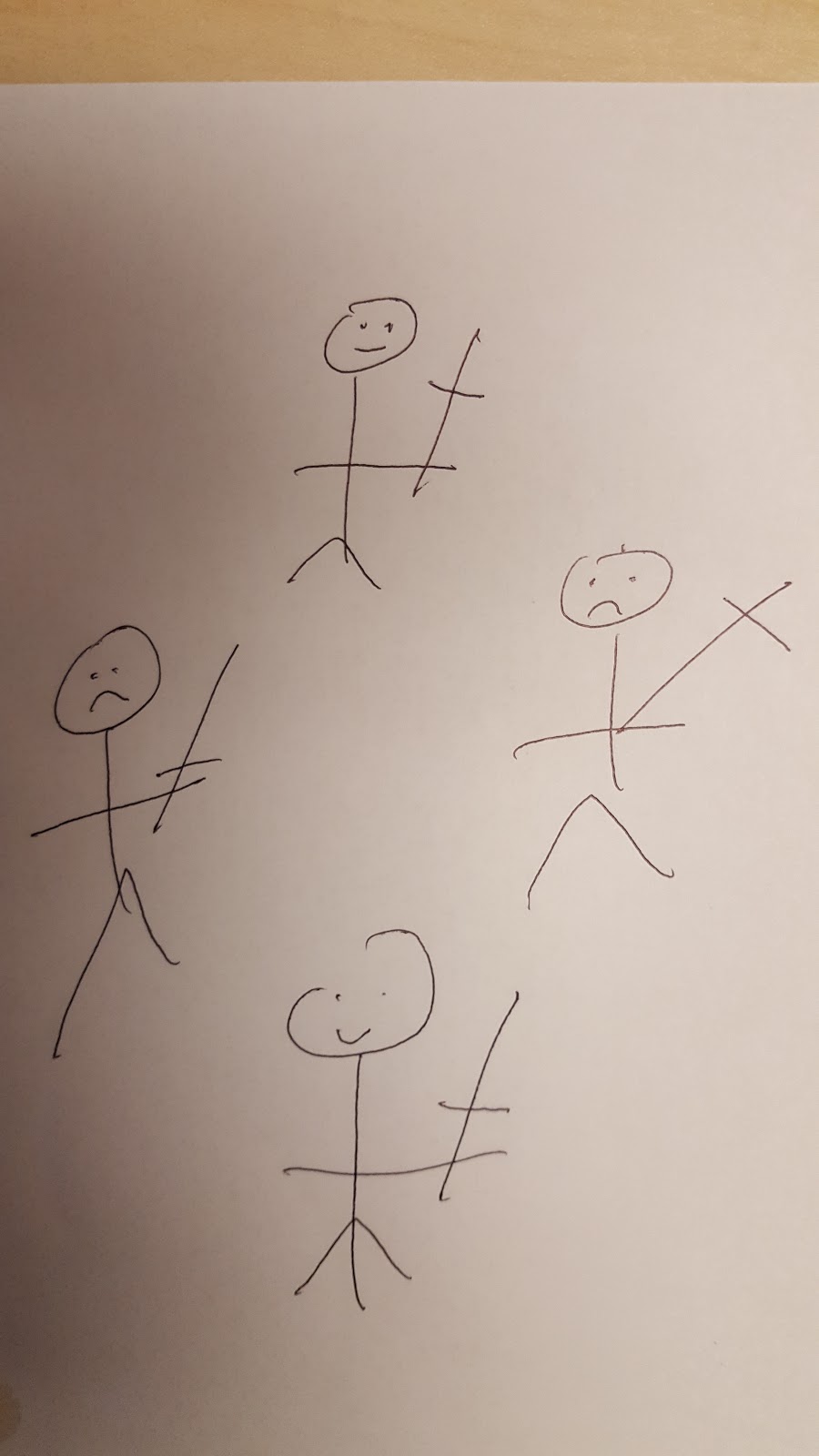
I didn’t actually use the numberphile video above due to not having my projection story sorted out yet but the sword sound effect is oddly satisfying. Instead we worked on the Josephus problem on the whiteboard after I made my stick figure diagram and explained the problem.
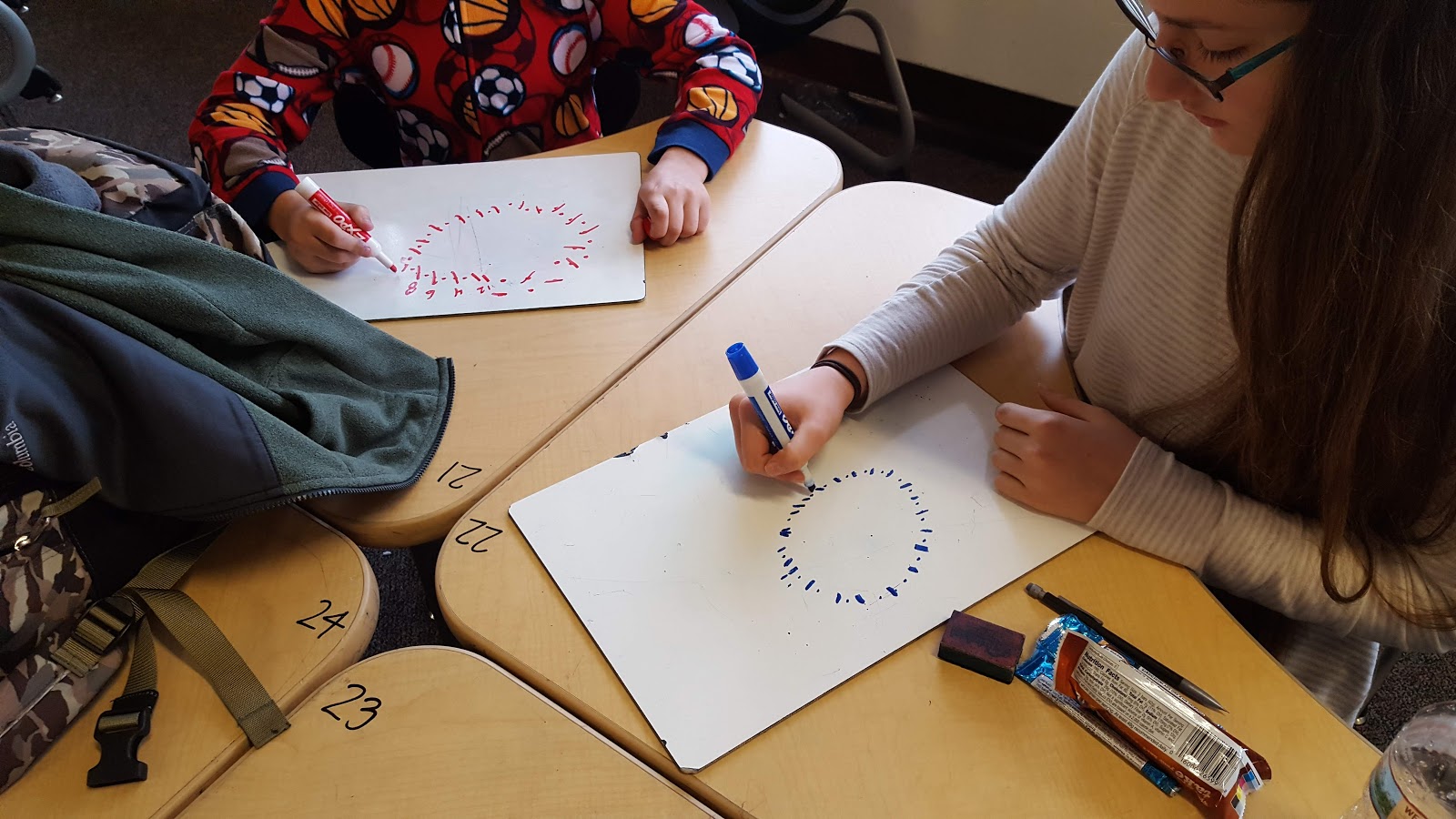
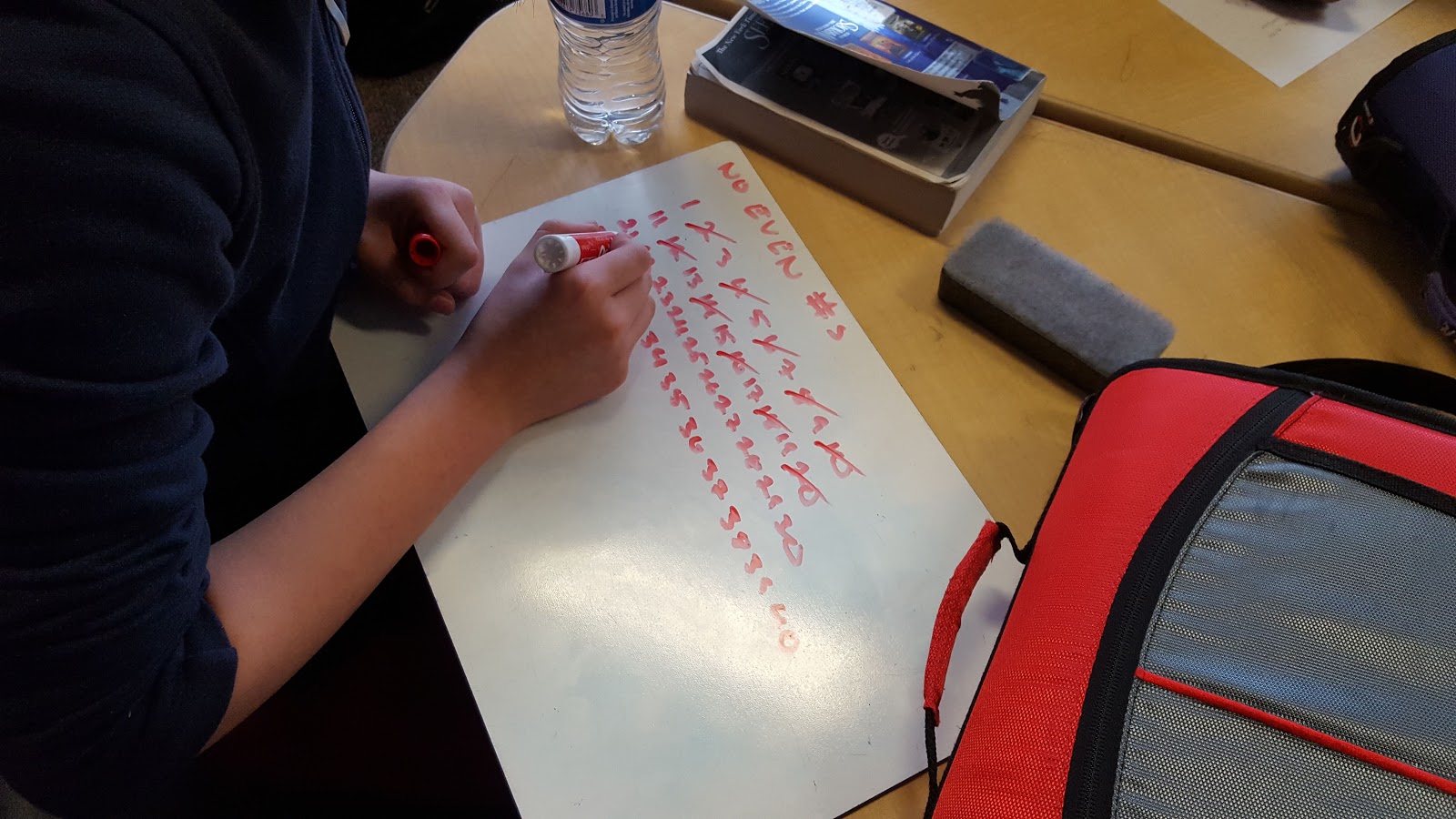
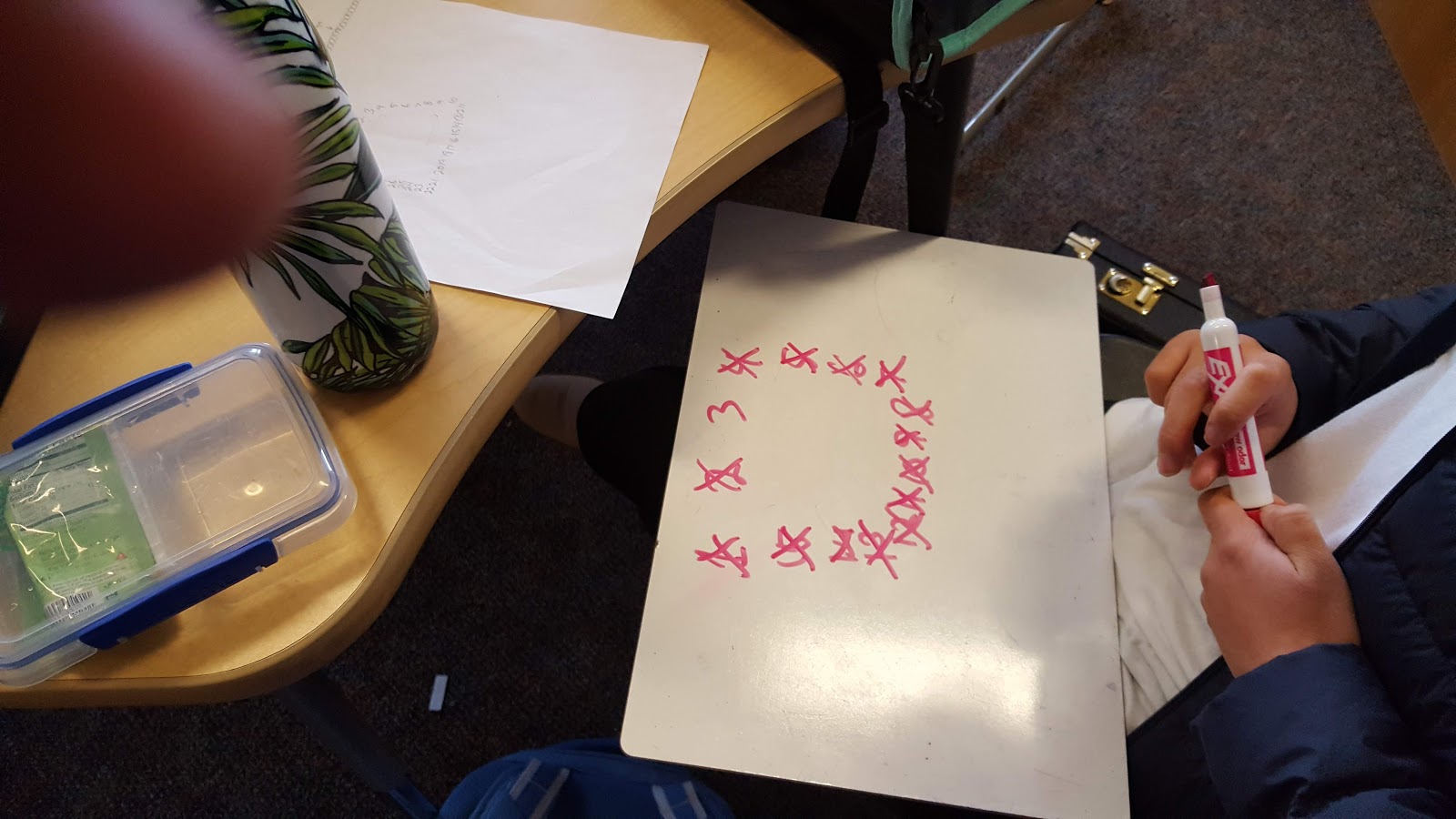
This pairing was not just due to the Halloween theme. As I introduced it with my new favorite line “And now for another totally not related problem ….” Both of these structurally depend on seeing a base 2 or binary solution. I did have to gather everyone together after all the groups had found the specific solution and some had a general one in the interests of time to do the group discussion.
Finally, for the back half we turned to the AMC problems. Unlike last time, I printed out 3 different contests from past years and told the kids to try a problem from every fifth set within them to get a sense of the range of problem difficulty. I also offered candy corns around this point for fun and to motivate everyone.
Coding Bonus:
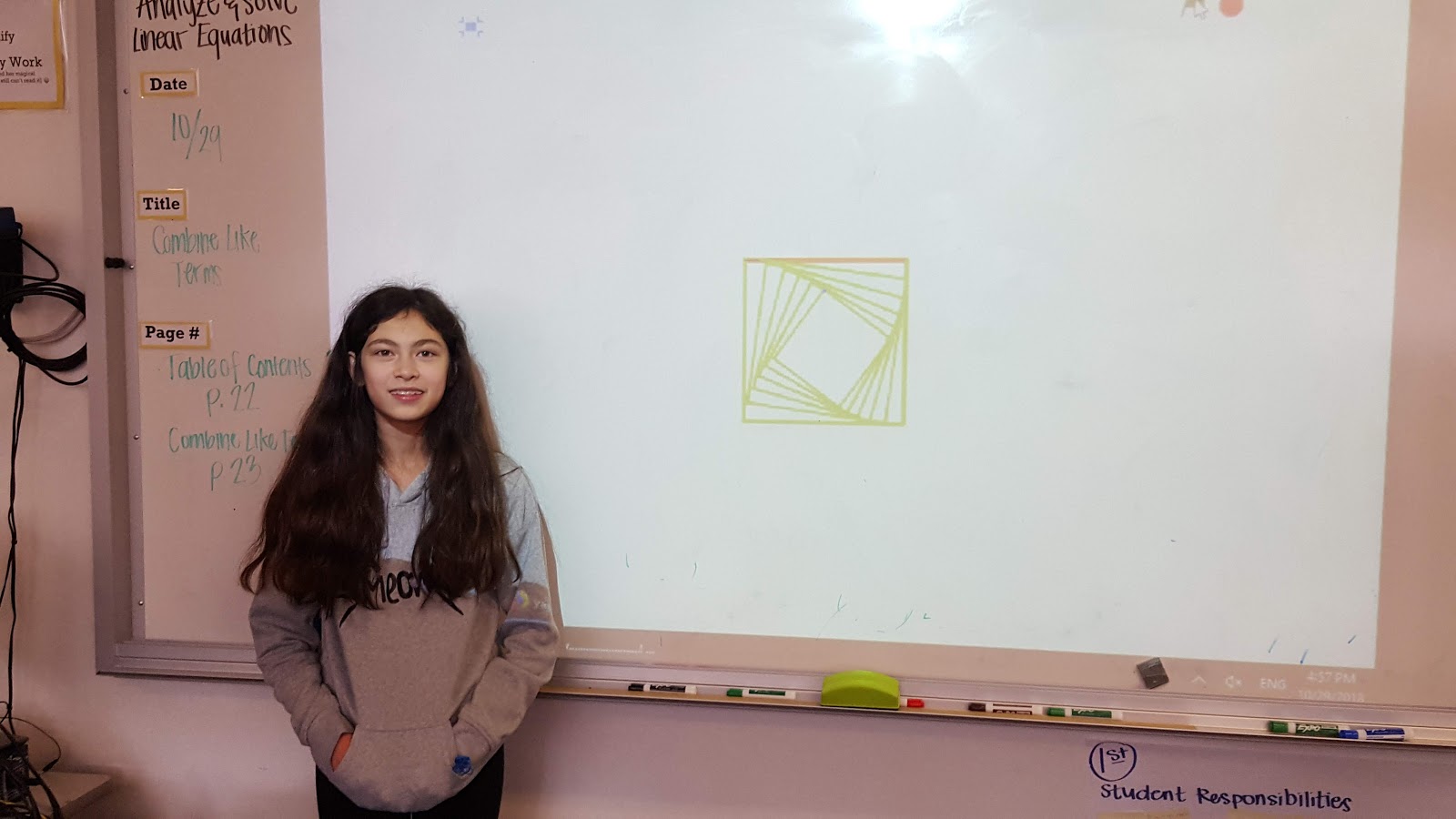
I gave a challenge last week to the kids to try to program a version of the art project we did. And I was really pleased to have the first one demonstrated today. Hopefully a few more kids will take the bait and bring something in.
P.O.T.W:
I turned to the UWaterloo sets this week:
https://www.cemc.uwaterloo.ca/resources/potw/2018-19/English/POTWD-18-NA-MT-07-P.pdf
Leave a comment