10/21 Sharing is Caring
The overarching personal theme for this week is I’m starting to feel more comfortable with the large size of the group. So far I’m able to keep things flowing, I’ve mostly mastered all the new names (hopefully next week I will be 100%) and it all feels manageable. The downside is that I also see how much I’m stretched by the size. Given the hour I can spend about 2 minutes per kid one on one if I was doing nothing else. In reality I might have one chance per day to work that closely per student. But I’m feeling more confident that yes I can handle a full class size.
Before really starting on the main theme though I wanted to come back to the topic of being “good at math”. This time, we watched a Tai-Danae Bradley interview clip. I’m generally not a very big fan of youcubed but this video fitted my needs really well for the few kids who aren’t confident. I wanted them to see an example of a someone young (at least to me) talking about learning math and setting on the path to becoming a research mathematician.
Mathematician Tai-Danae Bradley (youcubed camp) from YouCubed on Vimeo.
Next, mathematically for the day, I decided I wanted try an activity from James Tanton’s “Solve This”. I bought this over the summer after learning of its existence. The paper version are out of print but you can still purchase a PDF from the MAA bookstore. I landed on a set of sharing problems that I thought would work well with my group. That led to me also deciding to include his video on an infinite chocolate cake. This clip is both humorous and roughly on the topic of sharing as well.
10 minutes of video watching was a bit higher than I like but I couldn’t resist showing the second cake video and it evoked a great reaction and comments afterwards when we talked up where did the space really go?
2 Sharing Problems
Here I picked a set of problems to give kids a choice on what to work on and because I had limited manipulatives available for the second problem. (Once again I turned to my dried beans for counters.)
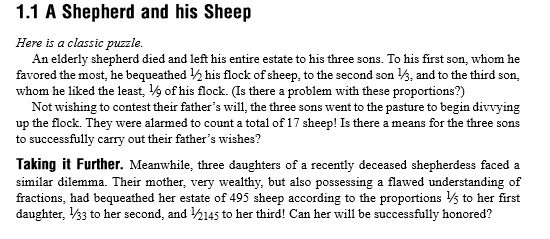
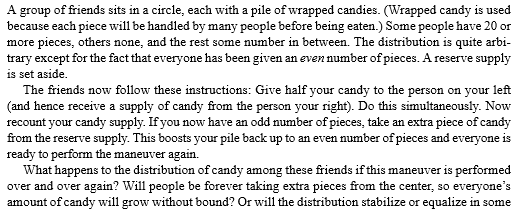
We spent about half of the session working on these problems in small groups. I floated and pushed students towards the extension questions if they made enough progress or asked questions about what they had discovered if they were still in the middle of thinking things through.
P.O.T.W.
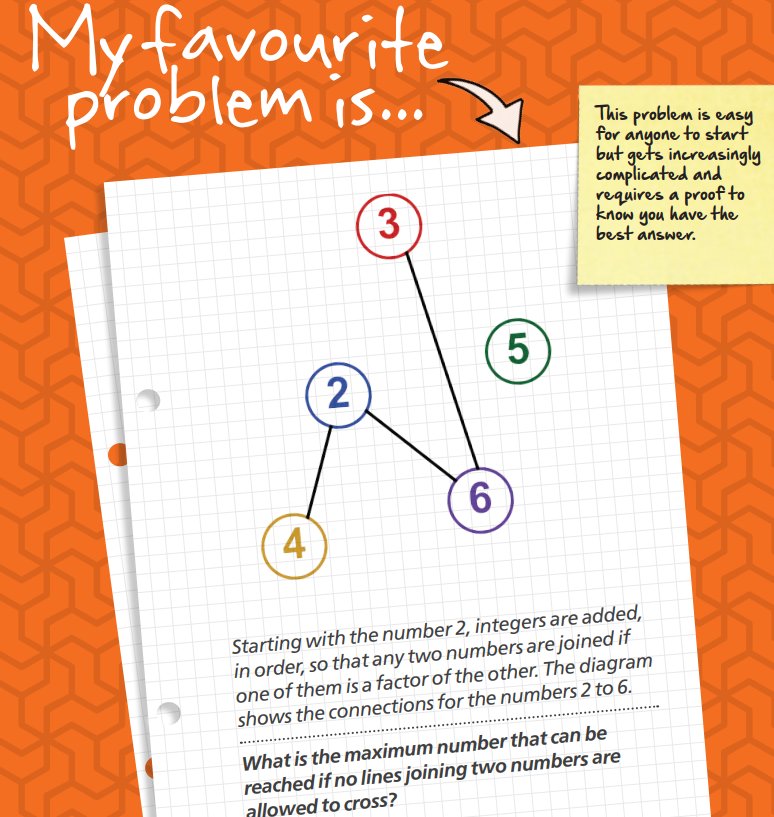
Goals: there are two main practices I want to focus on next week:
- Reserving time for a closing discussion. I’ve been semi-deliberately going until the last minute on the main tasks and I need to give more kids a chance to talk to each other at the end.
- Having a break-off and discussion period at the beginning tied to either the problem of the week or the beginning math task. My goal here is also to encourage more talking. I’ll have the subgroups all report back what they have decided.
Leave a comment