Last day of the semester
Another year draws to a close
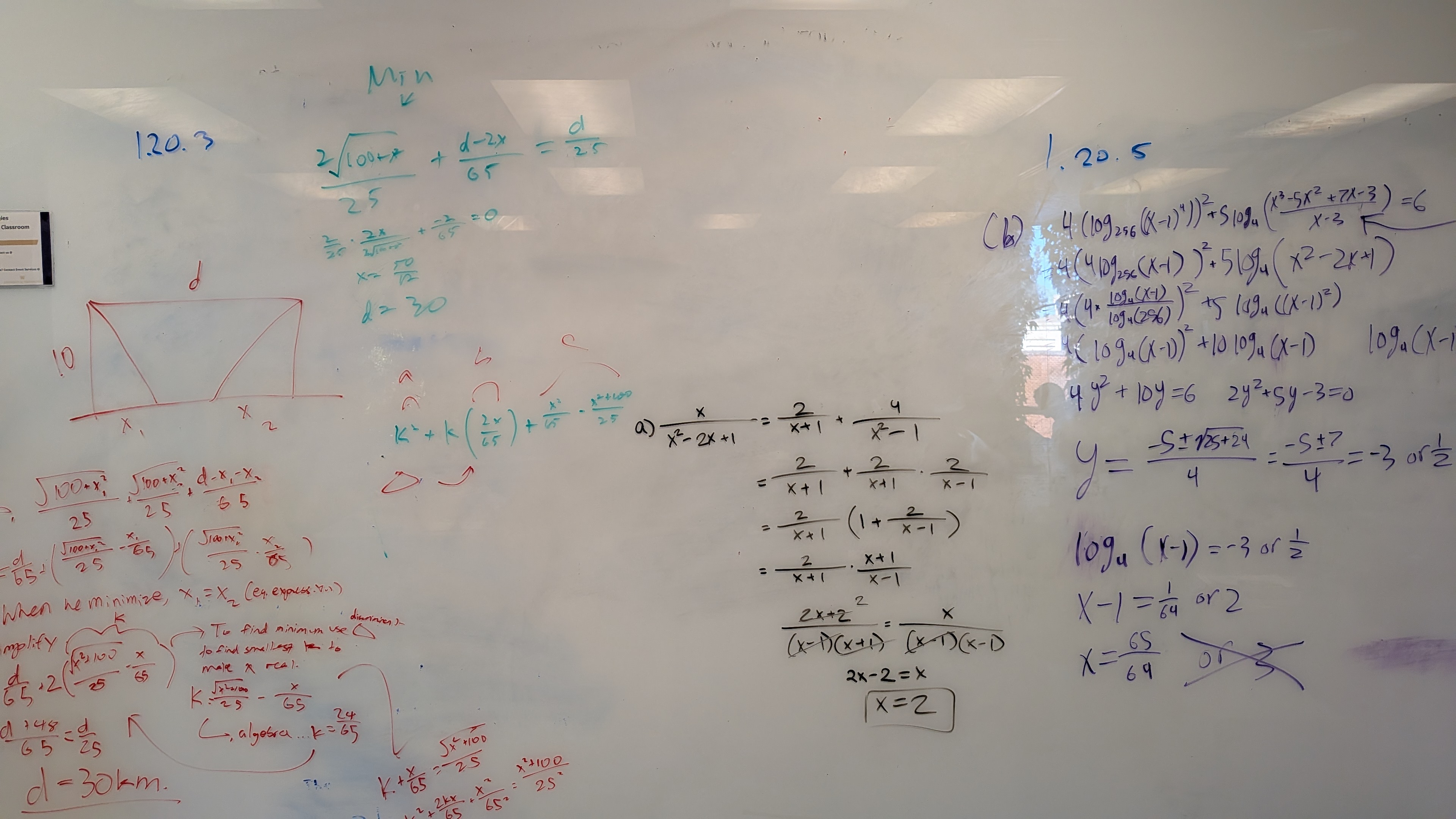
Today was the last day of Husky Math Academy for the year and like all such closures its bittersweet for me. By the end of the year the weekly preparation starts to wear a bit thin. (I really should keep my workings somewhere so I can reuse them in future years rather than deriving from scratch again.) But also typically within about two weeks I start to miss the weekly interactions with the students. This year, the main section I was leading (6 girls and 5 boys) had really good flow most of the time. With a minimum of guidance, everyone in the room, worked really hard and often surprised me with interesting analyses. On the flip side, they were quiet enough that I often found myself cold calling on kids or surveying the room one by one more often as the months went by to encourage more talking. By contrast, the second section was more typical and you would enter the room and it would be quite noisy at first and take a few moments to really settle in.
What did the kids remember?
For the last day I decided to go around and ask everyone what they enjoyed the most during the Spring and two main themes emerged.
- Examining parabolas from the perspective of the Directrix and Focus
- Deriving the Cubic Equation via Cardano’s Method.
There were a lot of comments how everyone enjoyed when I went off the book and looked for extensions of the material.
Curriculum Retrospect
As mentioned above one of the challenges of this format was we were covering Algebra and Geometry but everyone had generally done it once in school. In fact a few of the kids were already officially taking PreCalculus. To a large extent, I often felt like I was fighting the curriculum, IDEA Math. It was either not novel enough, had a very quirky notion of sequencing or didn’t quite take topics as far as I wanted. For example, the geometry section was all over the place. One section would focus on right triangle trigonometry and then it would immediately jump to quadrilaterals and then it would switch to one of the circle centers etc. While I didn’t rearrange things very aggressively this year, if I repeated I definitely would. Instead I often focused on telling a narrative about the material. For instance, when we discussed a topic that had been split across multiple weeks I always referred back to the sequence we were working on and what we had looked at before and how this was building on it. Occasionally, some topics were included with little explanation like partial fraction decomposition. For those ones, I would say frankly this may not seem that useful right now but its being introduced for use later on calculus where it will be one of the tools we use to break down problems. That’s not particularly satisfying so if I do this again, I will probably defer that subject until the more natural moment during the teaching of integration where it makes much more sense why you’d need to do it.
Cardano’s Method
One of my main goals for the Spring was to get through this topic which isn’t often covered in High School. I ended up splitting over about 4 sessions.
- Looking at symmetry of the cubic equation
- Discussing the suppressed form: why its convenient - how to derive it.
- Looking for the u+v substitution to crack the problem and working through that.
- Roots of unity and the casus irreducibilis.
Overall things went well for the first time doing this but for the future I think I would focus on including a few more problems along the way especially for part 4. And I still have to think about encouraging more experimentation along the way. Every one is so used to mostly having all the techniques laid out and you want to breakout of that mind set.
UWMO
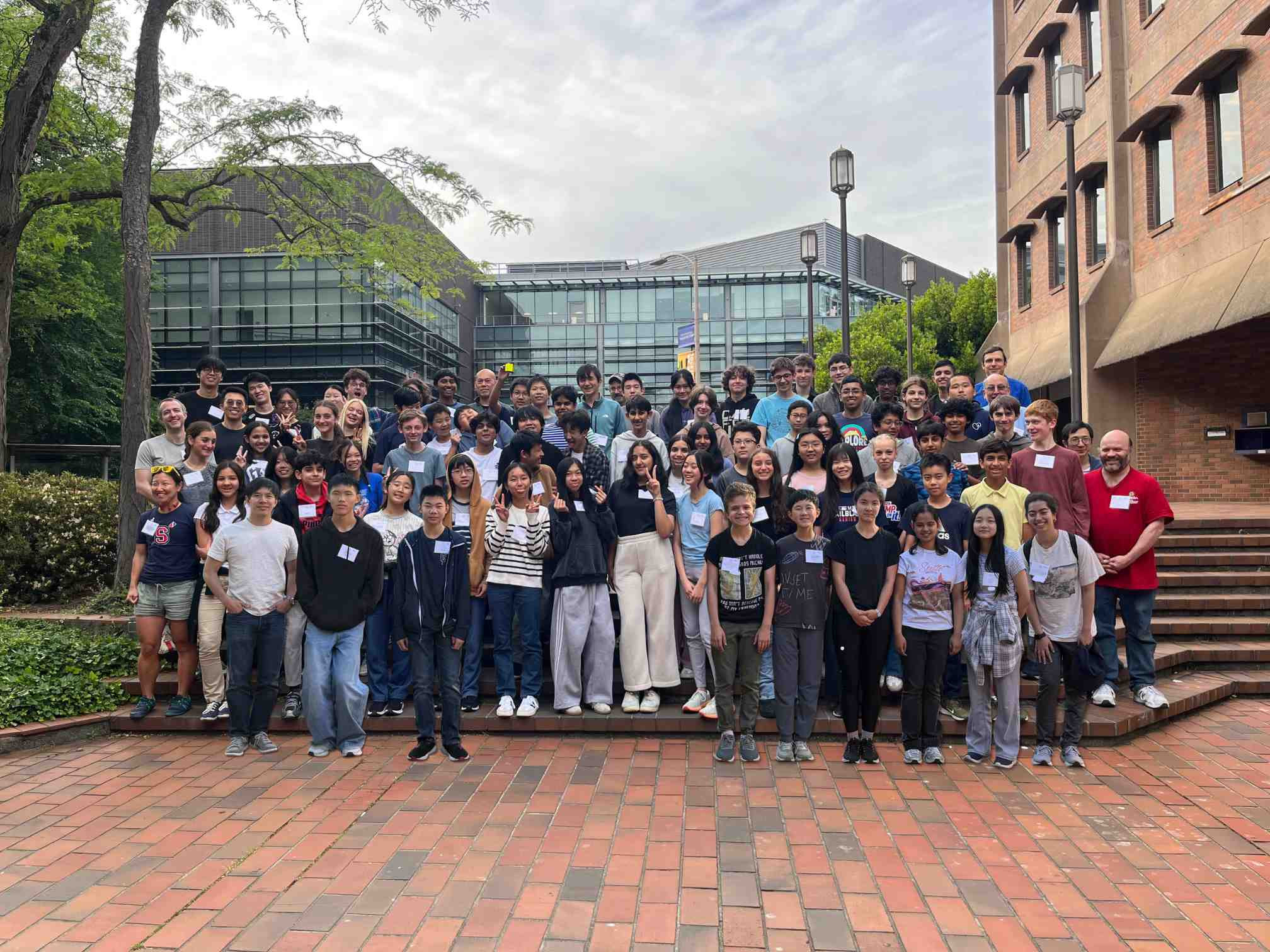
Also last week I judged at the UW Math Olympiad which was a first for me. Overall, it was a great experience. Me and my partner judge listened to about a dozen kids over three hours presenting proofs to the various problems. You have to then probe the arguments until either they reach a satisfactory conclusion or they go back to the room to think things over before trying again. I had been worried about thinking on my feet given a hard to follow proof and as a result had spent a few hours reviewing all the problems, trying them out, looking at proofs and thinking about what kids might try to do. That helped a lot on the day of the event and I felt mostly like I was able to keep up with the kids and give the proper feedback. Its a really good experience for the students and I will likely do this again in the future.
Summer
I have nothing particular, mathwise planned for the Summer. As I said above, I know I will be eager to jump back in by the Fall but I’m hoping to find interesting topics to blog here now that I have things up and running again on Jekyll+github
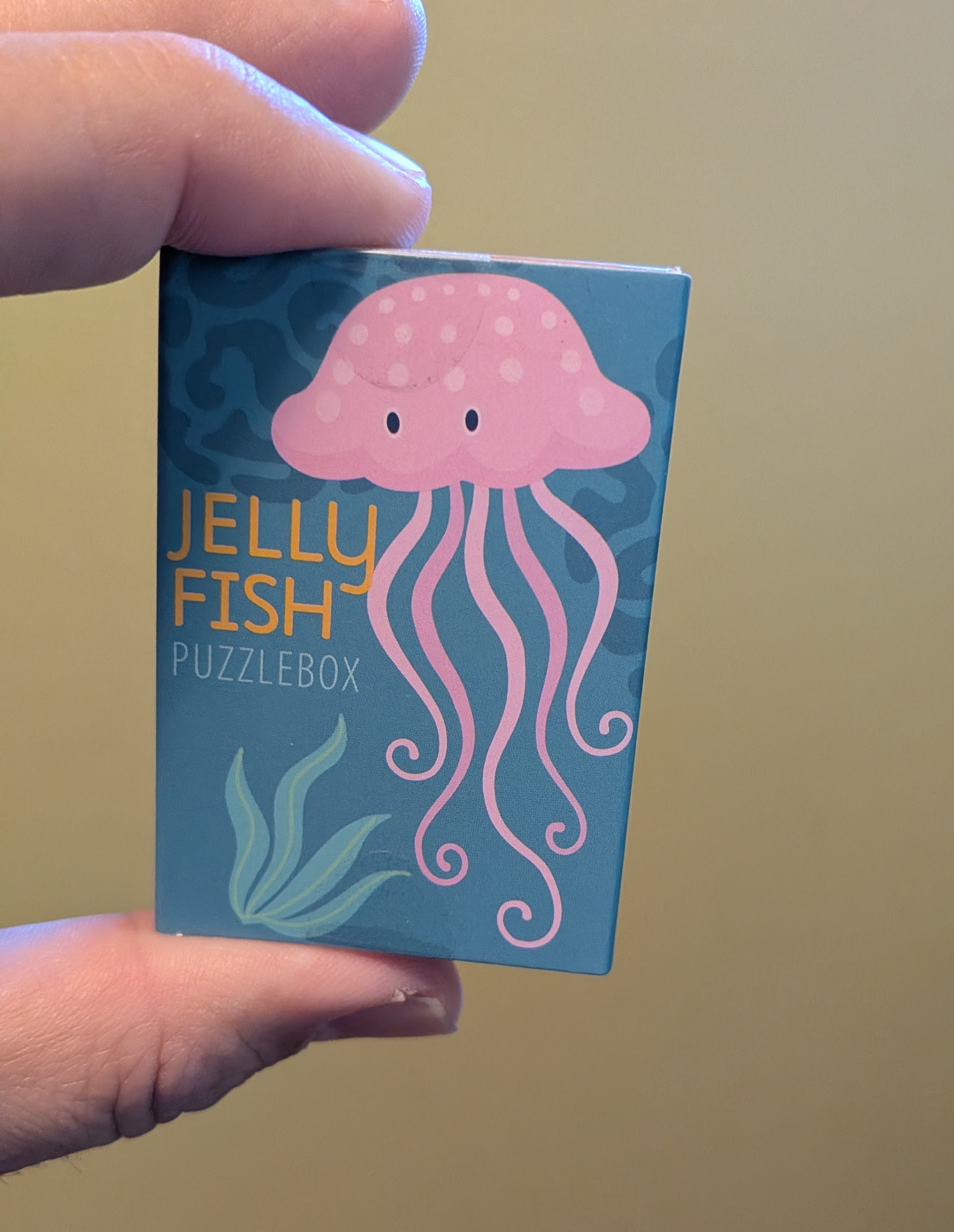
Puzzle Box that I gave out to everyone. These went over surprisingly well.
Leave a comment